Introduction
The world of orthodontics is filled with various treatments and devices, each promising to create a perfect smile. Among these, teeth retainers have gained significant attention but often come with a cloud of misconceptions. This article aims to clear the air surrounding teeth retainers, their usage, and how they fit into the broader scope of orthodontic treatments like clear braces, invisible braces, and Invisalign.
Teeth retainers play a crucial role in maintaining alignment after braces treatment and can be pivotal in ensuring long-lasting results. However, many myths have arisen that can deter individuals from understanding their true purpose. Let's dive deep into these myths and separate fact from fiction.
Understanding Teeth Retainers
What Are Teeth Retainers?
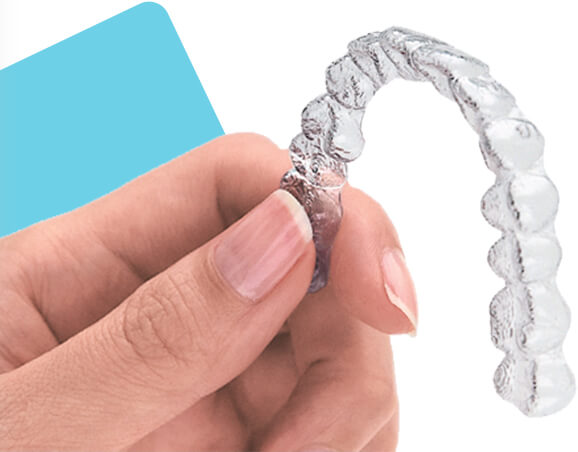
Teeth retainers are custom-made devices designed to keep your teeth in position after undergoing orthodontic treatment. They help maintain the new alignment achieved through braces or other corrective procedures.
Why Are Retainers Important?
After completing orthodontic treatment, your teeth are still prone to shifting back to their original positions if not properly cared for. Retainers serve as a safeguard against this relapse.
Types of Teeth Retainers: An Overview
Fixed Retainers: These are bonded permanently behind your teeth. Removable Retainers: These can be taken out for eating or cleaning.Fixed vs Removable: Which Is Better?
Both types have their pros and cons depending on individual needs and lifestyle choices.
Debunking Myths About Teeth Retainers and Their Usage
Myth 1: “Retainers Are Only Necessary for a Short Period”
This myth suggests that once you finish wearing braces, you can ditch the retainer soon after. In reality, most orthodontists recommend wearing retainers indefinitely—at least part-time—for several years.
The Truth Behind Long-Term Usage
Your teeth continue to shift even well into adulthood due to various factors such as aging or dental wear. Hence, consistent use of retainers ensures your investment in orthodontic treatment pays off.
Myth 2: “All Retainers Are Uncomfortable”
Many people believe that all retainers cause discomfort akin to wearing traditional braces. While it's true that some initial discomfort may occur as your mouth adjusts, modern designs—including clear retainers—are more comfortable than ever.
Comfort Level Comparison
| Type | Comfort Level | Visibility | |-------------------|----------------|--------------| | Fixed | Moderate | Not visible | | Removable (Clear) | High | Nearly invisible |
Myth 3: “Retainers Are Just an Extra Expense”
Some might argue that investing in retainers feels unnecessary after spending so much on braces; however, they are essential for preserving the results achieved through orthodontics.
Evaluating Cost vs Benefit
Consider this: the cost of retreatment far outweighs the expense of maintaining your smile through retainer usage.
Myth 4: “You Can Skip Wearing Your Retainer”
It's tempting to think that if you've had straight teeth for some time without wearing your retainer, you can just stop using it altogether. This belief couldn't be further from the truth!

Consequences of Skipping Your Retainer
Failing to wear a retainer regularly may lead to noticeable shifts in tooth position within weeks or months—defeating the purpose of your initial treatment.
Common Misconceptions About Clear Braces and Invisible Braces
What Are Clear Braces?
Clear braces are similar to traditional metal braces but utilize transparent materials that make them less noticeable while correcting dental issues.
The Role of Invisible Braces
Invisible braces offer an alternative by using clear aligners—like Invisalign—to gradually move teeth without any wires or brackets involved.
Comparing Effectiveness
Both methods work effectively for mild-to-moderate dental misalignments; however, severe cases might still require traditional methods.
The Science Behind Teeth Alignment Maintenance
How Do Retainers Work?
Retainers work by exerting gentle pressure on your teeth to hold them in place while bone structures readjust around them after orthodontic treatment.
Biological Changes Post-Braces
Orthodontic adjustments induce changes in both bone density and gum tissue which require time for stabilization—a process aided by consistent retainer usage.
Cleaning and Caring for Your Retainers
Best Practices for Hygiene
To ensure longevity and cleanliness:
- Rinse your retainer under lukewarm water daily Use a soft toothbrush with mild soap Avoid hot water which can warp the material
Storage Tips When Not in Use
Always store your retainer in its protective case when you're not wearing it; never leave it exposed where it could easily get lost or damaged!
Troubleshooting Common Issues with Teeth Retainers
What If My Retainer Hurts?
If discomfort arises after receiving a new retainer:
- Ensure it's seated correctly Consult your orthodontist if pain persists beyond adjustment periods
Dealing With Lost or Broken Retainers
Losing a retainer isn’t uncommon; however, delaying replacement can lead to drastic shifts in tooth alignment—promptly contact your orthodontist!
Real-Life Testimonials About Teeth Retainer Experiences
Several patients have shared how retainers made significant differences in maintaining their smiles post-treatment:
"I thought I could manage without my retainer after three months, but I noticed my teeth shifting back! I learned my lesson." - Sarah M., Happy Patient
"Wearing my invisible brace was easy; I hardly felt like I was undergoing any treatment!" - Jake L., Satisfied User
Frequently Asked Questions (FAQs)
Q1: How long do I need to wear my retainer?
A1: Typically, you'll need to wear it full-time for at least 6 months before transitioning to night-only usage indefinitely per your orthodontist's advice.Q2: Can I drink coffee or eat with my removable retainer?
A2: It’s best not to Invisalign eat or drink anything except water while wearing your removable retainer as it could stain or damage it.Q3: Will my speech be affected by wearing a retainer?
A3: Initially yes; however, most people adjust quickly within days as they become accustomed to speaking with one in place.Q4: Do retainers expire?

Q5: Can children use adult-sized retainers?
A5: No! Always consult an orthodontist for age-appropriate sizing since children's mouths change rapidly throughout development stages!Q6: What happens if I don’t wear my retainer at all?
A6: You risk losing all progress made during treatment due primarily shifting back towards their original positions over time!Conclusion
Understanding the truth about teeth retainers is vital for anyone who has undergone orthodontic treatment. By debunking common myths surrounding their usage—from discomfort levels to longevity—the importance of these devices becomes clear. Whether you're considering clear braces like Invisalign or already sporting removable retainers post-treatment, recognizing their significance will ensure lasting results from all efforts made towards achieving that perfect smile!
In summary, embrace your journey toward oral health confidence by acknowledging the essential role retainers play—and always consult with qualified professionals when questions arise!
Scottish Orthodontics Dunfermline
10 Viewfield Terrace, Dunfermline KY12 7JH
Tel: 01383 720310
Offering a wide range of advanced orthodontic treatments, we are dedicated to providing exceptional care and personalised solutions to patients of all ages.
At Scottish Orthodontics, we pride ourselves on our commitment to creating beautiful, healthy smiles in a comfortable and friendly environment.
Our clinics offer the latest in orthodontic technology, including traditional braces, Invisalign, Invisible braces and retainers, ensuring that we can provide the best possible treatment options for every patient.